Checking FENSA & CERTASS registration
A badge on a website is not the same as a live registration. Knowing how to verify FENSA and CERTASS membership — and understanding what each scheme actually covers — is one of the simplest, most powerful checks a homeowner can make.
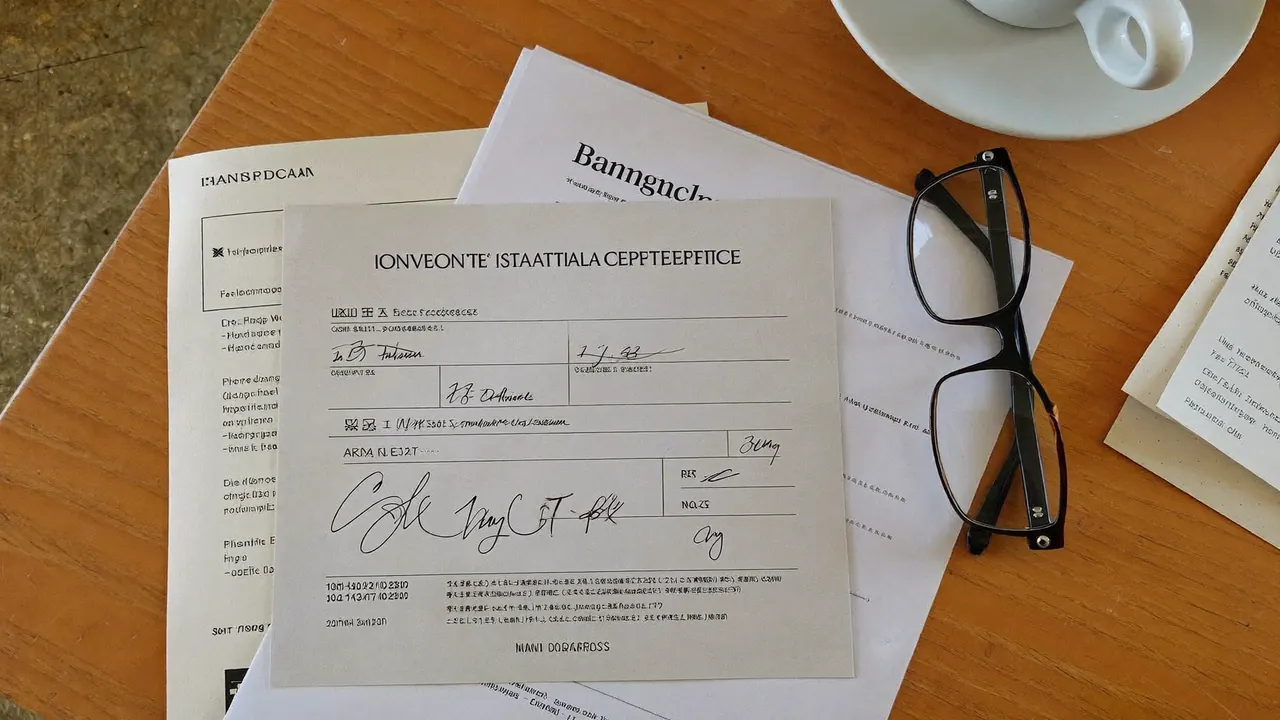
What FENSA and CERTASS actually do
Replacement windows and doors must comply with building regulations covering energy efficiency, safety glazing and ventilation. Rather than arrange a council building-control inspection for every job, installers registered with a Competent Person Scheme can self-certify that their work meets those standards. FENSA and CERTASS are the two best-known schemes for glazing. When a registered installer completes your job, they notify the scheme, which in turn registers the work with your local authority and issues you a certificate.
Why the certificate matters later
That certificate is not just paperwork. It is the document a solicitor will ask for when you sell your home, as proof the windows were fitted to regulations. Without it, a buyer's conveyancer may require indemnity insurance or hold up the sale. So confirming an installer is genuinely registered protects you well beyond the fitting itself.
Want only registered installers?
Tell us your postcode and we'll help you shortlist accredited local companies, so scheme membership is checked from the outset.
Find my installers →How to verify a registration
Do not take the logo at face value. Both FENSA and CERTASS run public checkers on their official websites where you can search by company name or registration number. Ask the installer for their membership number and look it up directly. Confirm the name matches the company actually quoting you — not a sister firm or a lapsed entity — and that the registration is current rather than expired. Starting from a pre-vetted pool helps; a tool for finding vetted UK window companies can point you towards firms whose accreditation is already in good standing.
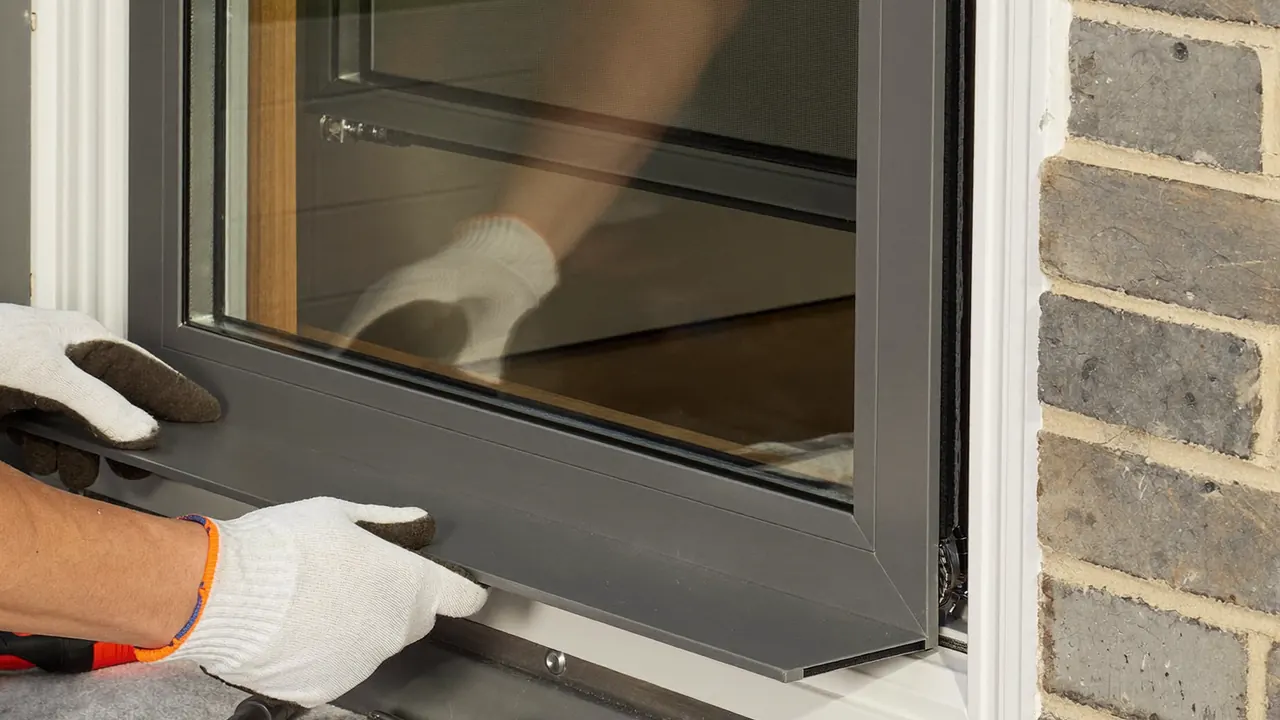
What registration does and does not guarantee
Being registered means an installer has met the scheme's requirements and can self-certify compliance. It is a strong signal, but it is not a substitute for the rest of your checks. Registration says little about how tidy the fitters are, how good the aftercare is, or whether the quote is fairly priced. Treat it as a necessary filter, then layer your other research on top. Understanding the value side of the decision helps too — knowing how much homeowners save with new windows puts the compliance benefits of properly certified glazing in context.
Compare accredited installers
Get free, no-obligation quotes from registered local companies and check every certificate before you commit.
Find my installers →
Keep your certificate safe
Once the work is done, your certificate should arrive within a few weeks. Store it with your other property documents, because you will need it when you come to sell and a buyer's solicitor asks for proof the glazing was fitted to regulations. If it does not turn up, chase the installer and the scheme directly rather than letting it slide — the registration only protects you if the paperwork actually exists. It is a small administrative step that can save real hassle and expense years down the line, so treat it as the final part of the job rather than an afterthought.